
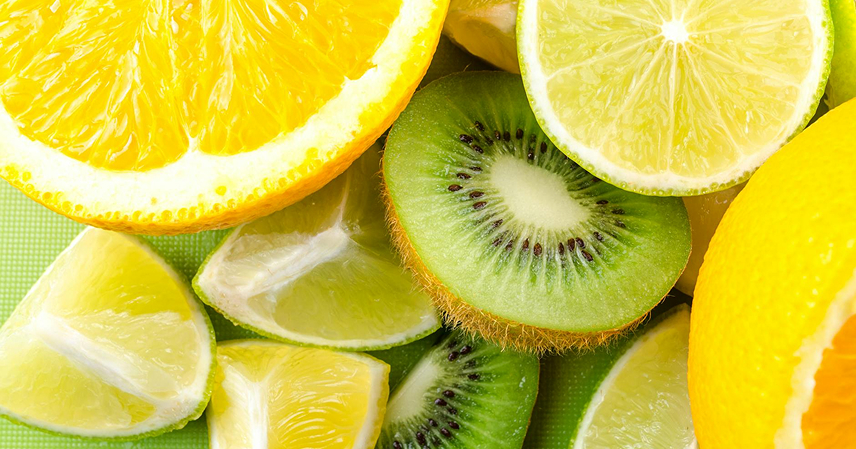
Nutrition headlines often focus on one nutrient or food. Public-health guidance is broader. It looks at the pattern formed across meals: variety, adequate energy, fiber-rich foods, protein sources, hydration, and limits on products that are easy to overconsume.
Build around variety
Different vegetables, fruits, grains, legumes, nuts, and protein sources provide different nutrients. Variety also makes an eating pattern easier to sustain because meals do not depend on a narrow list of approved foods.
Processing is not one category
Frozen vegetables, canned beans, yogurt, and whole-grain bread are processed foods that can fit a balanced diet. The more useful questions are what the product contains, how it is used, and whether high levels of salt, added sugar, or saturated fat dominate the overall pattern.
Portion guidance needs context
Energy needs vary with age, body size, activity, health conditions, and goals. Fixed portions are a starting point, not a diagnosis. People managing allergies, diabetes, digestive conditions, pregnancy, or recovery may need individualized advice.
Make the healthy choice workable
Cost, time, culture, and access shape what people eat. Batch cooking, flexible recipes, frozen produce, and affordable staples can matter more than premium products marketed as healthy.
Good nutrition guidance should reduce confusion rather than create fear. Focus on repeatable patterns, evaluate claims carefully, and seek a qualified dietitian or clinician when personal medical needs are involved.